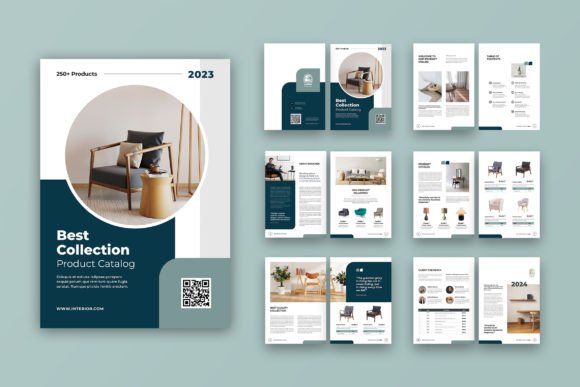
Sofa Product Catalog: A Modern Template for Your Business
Imagine this: you’ve just launched a beautiful new line of furniture, or perhaps you’re a small business owner with a stunning collection of home decor items ready to sell. The products are perfect, the craftsmanship is impeccable, but there’s one hurdle left—how do you present them to the world in a way that feels as professional and polished as the items themselves? A well-designed product catalog can be the bridge between your workshop and your customer’s living room, transforming a simple list of items into an immersive brand experience.
More Than Just a List: The Power of Visual Presentation
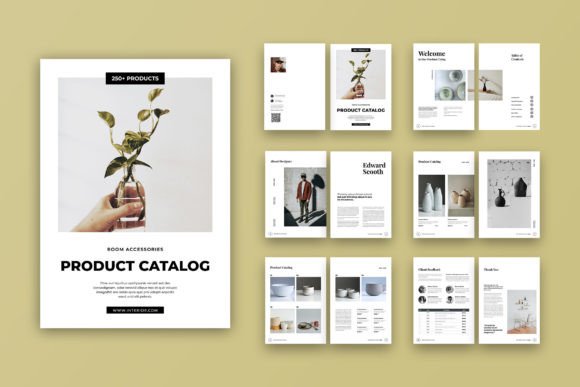
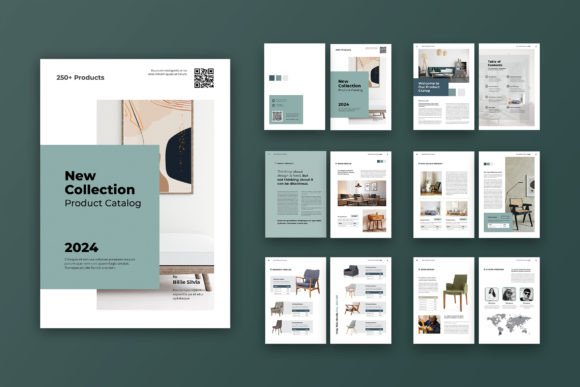
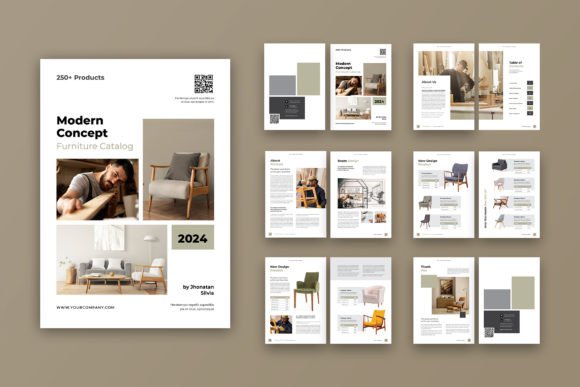
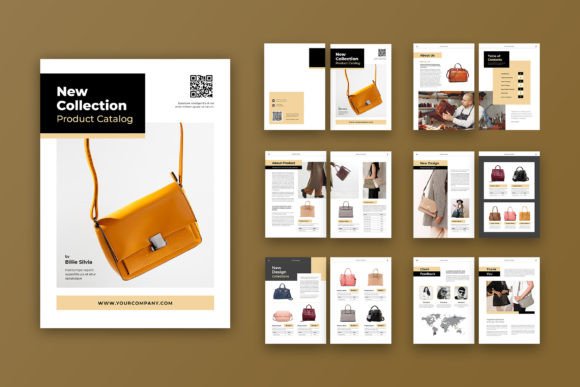
A product catalog, especially one centered around a core piece like a sofa, is a critical piece of your marketing toolkit. It’s not merely a functional document; it’s a silent salesperson, a brand ambassador, and a design asset all in one. The right template understands this, offering a framework that lets your products shine. This particular Sofa Product Catalog template is built with a modern, high-quality design sensibility. It uses a clean A4 layout (21cm x 29.7cm) with professionally organized layers, making it straightforward to edit in Adobe InDesign. You can seamlessly swap in your own images, adjust fonts, and modify pages without worrying about breaking the design or losing quality—a common frustration with less robust templates.
The value here is in the details that save you time and money. It comes print-ready with CMYK color, 300 DPI resolution, and the essential 3mm bleed, meaning you can send it straight to a printer without technical headaches. For a small business owner or a solo entrepreneur, this removes a significant barrier. You don’t need to be a InDesign expert or hire one for the initial setup. The included free fonts and smart, neatly organized layers mean you can focus your energy on what you do best: curating and selling your products.
Practical Applications for Your Brand
Thinking beyond a traditional print catalog, this template’s structure is versatile enough for multiple branding and marketing needs. Consider how it can serve your business across different channels:
- Digital Lookbook: Export it as a PDF to create an interactive digital lookbook for your website or to email to potential wholesale clients.
- Social Media Content: Use individual page spreads as high-quality graphics for Instagram posts or Facebook ads, creating a cohesive visual feed.
- In-Store Materials: Print a few copies for your physical shop or pop-up event, giving customers a tangible piece of your brand to browse.
- Pitch Deck Supplement: Incorporate catalog pages into a presentation for investors or retail partners to visually articulate your product range and brand aesthetic.
- Product Page Inspiration: The layout and typography choices can inform the design of your e-commerce website’s product detail pages, ensuring brand consistency.
The key is visual consistency. Using the same template-derived design language across your print catalog, Instagram graphics, and website helps build immediate brand recognition. A customer should be able to spot your aesthetic from a single image, and a cohesive catalog template is the foundation for that.
Making It Your Own: Design and Editing Tips
While the template provides a professional starting point, its true power is unlocked through customization. Here’s how to approach it to ensure the final product aligns perfectly with your brand identity:
- Choose Your Fonts Wisely: The template includes free fonts, but don’t feel locked in. If your brand already has a defined typeface, replace the placeholder fonts. Stick to a maximum of two or three complementary fonts—one for headings, one for body text, and perhaps one accent font—to maintain a clean, readable hierarchy.
- Curate Your Imagery: The preview images are not included, which is a good thing. This forces you to use your own professional product shots. High-resolution, well-lit photography is non-negotiable. Consider lifestyle shots of your sofa in a styled room alongside clean product-on-white shots for detail.
- Embrace White Space: Resist the urge to overcrowd the pages. The template’s modern design likely uses ample white space to let the products breathe. This isn’t empty space; it’s a powerful design tool that directs the viewer’s eye and conveys a sense of premium quality.
- Tell a Story: Use the text areas not just for specifications, but for brief, evocative descriptions. Talk about the craftsmanship, the inspiration behind the collection, or the feeling the piece evokes. This transforms a catalog from a spec sheet into a narrative.
Ensuring a Professional and Cohesive Result
Before you finalize your catalog, step back and review it as if you were a customer. Is the information easy to find? Is the visual flow logical, guiding the eye from one product to the next? Check for typographic consistency—are all your headings the same size and weight? Are your body text blocks aligned uniformly? This meticulous review is what separates an amateur effort from a professional presentation.
Remember, the goal of any design asset, whether it’s a catalog, a business card, or a social media template, is to communicate your brand’s value clearly and attractively. A well-executed Sofa Product Catalog does more than list dimensions and prices; it builds trust, showcases quality, and ultimately makes the decision to buy feel easier for your customer. It’s an investment in your brand’s visual language that pays dividends in perceived professionalism and customer engagement. By starting with a robust, editable template, you’re not just saving time—you’re laying the groundwork for a cohesive and compelling brand story across every touchpoint.