Streamline Your Showroom with a Modern Furniture Catalog Template
Imagine this: you’ve spent months curating a stunning collection of mid-century sofas, minimalist shelving, and artisan lighting. The craftsmanship is impeccable, and the materials are top-tier. Yet, when you try to showcase these pieces, you find yourself wrestling with clunky software or relying on a simple grid of photos on your website that fails to capture the essence of your brand. For furniture retailers, interior designers, and manufacturers, the gap between a beautiful product and a beautiful presentation often lies in the formatting. A disjointed visual identity can confuse potential buyers and dilute the perceived value of your inventory. This is where the structure of a dedicated product catalog becomes not just a nice-to-have, but a fundamental asset for sales and branding.
The Architecture of a Professional Lookbook
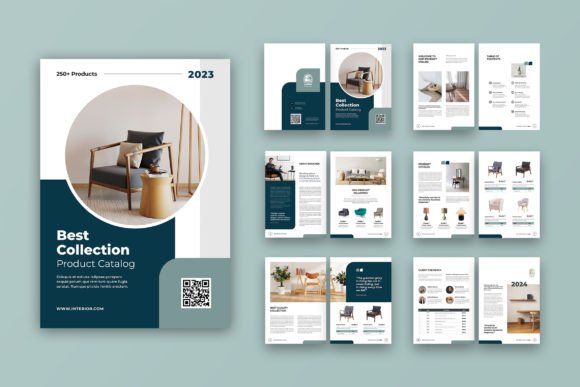
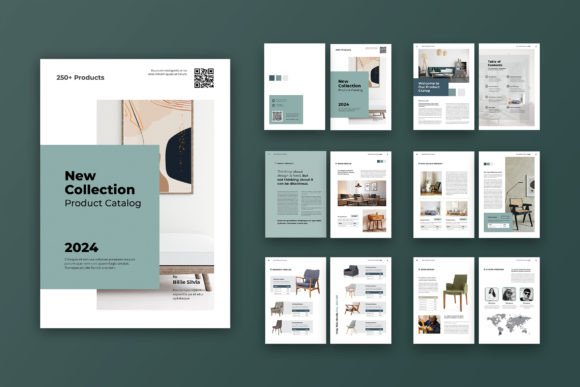
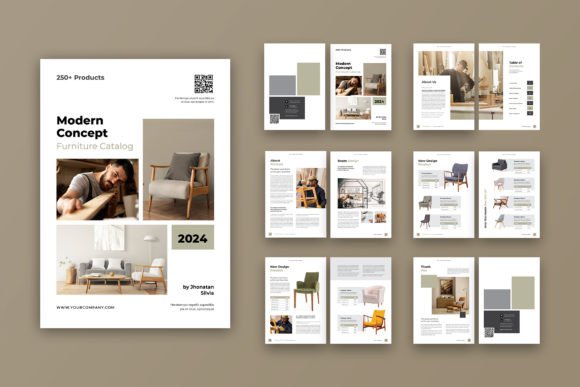
The difference between an amateur flyer and a high-converting sales tool often comes down to layout precision. When we talk about a resource like a Modern Furniture Catalog template, we aren't just discussing a few placeholder boxes for images. We are talking about a sophisticated framework designed for Adobe InDesign, engineered to handle the heavy lifting of editorial design. This specific type of design asset is built on a foundation of A4 dimensions (21cm x 29.7cm), a standard that translates seamlessly from digital screens to physical prints. It features 12 custom pages, offering enough real estate to categorize living room sets, dining collections, and bedroom suites without feeling cramped or sparse.
One of the most critical aspects of preparing assets for print is the technical setup. If you have ever sent a file to the printer only to get back a white border where the color should bleed to the edge, you know the frustration. This template eliminates those rookie mistakes by coming pre-configured with 3 mm bleed and CMYK color formatting at 300 DPI. This means the files are ready for professional printing immediately, saving you the headache of technical adjustments. Furthermore, the use of smart layers and neatly organized content ensures that swapping out a high-resolution image of a velvet armchair for a leather recliner takes seconds, not hours. It allows the business owner or designer to focus on the narrative of the furniture rather than the mechanics of the software.
Beyond the Page: Versatility in Application
While the primary function of this asset is to serve as a printable document, its utility extends far beyond the physical booklet you might hand out at a trade show or leave in a showroom waiting area. In the modern marketing landscape, content needs to be fluid. A well-structured catalog layout serves as a master file for a multitude of other channels.
Consider the social media manager for a home decor brand. They need to create a cohesive series of Instagram posts or Pinterest pins to highlight a new "Spring Collection." Instead of designing from scratch, they can pull individual spreads or specific layout grids from the catalog file. This ensures that the typography, spacing, and visual hierarchy remain consistent across all platforms. The visual language of the print catalog—perhaps featuring clean sans serif fonts for specs and elegant serif typefaces for headers—becomes the DNA for the entire digital presence. This consistency is vital for brand recognition; when a customer sees an ad on Facebook and later visits the website, the transition should feel seamless.
Moreover, the template is versatile enough for editorial use. If you are a blogger or content creator specializing in interior design, you could adapt the layout to create a "Lookbook" style PDF lead magnet for your email subscribers. By offering a beautifully designed digital guide on "How to Style a Small Living Room" using the catalog's structure, you provide immense value to your audience while positioning yourself as an authority in the space. It transforms a simple product list into a lifestyle guide, which is a much more potent marketing tool.
Design Decisions: Typography and Visual Hierarchy
A catalog is only as good as its readability. The inclusion of free fonts in a design package is a significant advantage, particularly for small businesses or startups watching their budget. However, it is the application of these fonts that truly matters. A common mistake in furniture marketing is overcrowding the page. The negative space is just as important as the product shot; it allows the eye to rest and the details of the craftsmanship to stand out.
When editing your Modern Furniture Catalog, pay close attention to the pairing of typefaces. Typically, a modern aesthetic calls for a clean sans serif for technical specifications—dimensions, materials, and pricing—paired with a more distinct display font or a subtle serif for the product names and introductory text. This contrast creates a visual rhythm that guides the reader's eye naturally from the headline to the image, and finally to the details.
It is also worth noting that while the template provides the structure, the content strategy is up to you. Avoid the temptation to list features without benefits. Instead of just saying "Oak legs," try "Durable oak legs for long-lasting stability." The layout should support this storytelling. Use the "Features" section of the template to break down these selling points using bullet points or icons, which are easier to scan than dense paragraphs.
Streamlining Workflow and Reducing Costs
For the entrepreneur, time is the most expensive currency. Hiring a graphic designer to build a 12-page layout from the ground up can cost hundreds, if not thousands, of dollars, and the back-and-forth communication regarding revisions can drag on for weeks. By utilizing a professional template, you are essentially adopting a proven workflow. The layers are already named logically; the master pages are set up to handle page numbers and footers automatically.
This efficiency allows for rapid iteration. If you need to produce a catalog for a specific season, like a "Summer Outdoor Furniture" edition, you can duplicate the file, swap the color palette to something more vibrant, replace the images, and have a finished product ready in a fraction of the time. The compatibility with both .indd and .idml files ensures that even if you are working with slightly older versions of Adobe InDesign, the integrity of the design remains intact. This technical flexibility is crucial for agencies or teams where different members might be working on different operating systems or software versions.
Final Thoughts on Presentation
In the furniture industry, the product is tactile. People want to feel the grain of the wood and the texture of the fabric. Since your catalog is the first touchpoint, it must evoke that sensory experience visually. A sloppy layout with misaligned columns or low-resolution images suggests a lack of attention to detail—a red flag for customers investing in high-ticket items. Conversely, a sleek, modern catalog signals professionalism and quality before they even read a single word. By leveraging a high-quality template, you bridge the gap between your physical product and your customer's imagination, turning a simple PDF into a powerful engine for growth.