Magazine Template – Sport: Your Blueprint for Dynamic Editorial Design
There’s a unique kind of energy that a great sports magazine carries. It’s in the bold typography that screams action, the dynamic layouts that guide your eye across the page, and the crisp, high-contrast visuals that make every athlete and every moment feel larger than life. Capturing that professional, high-stakes aesthetic from scratch can be a daunting task, especially when you’re juggling deadlines and other creative demands. This is where a robust, professionally crafted design asset becomes less of a convenience and more of a necessity, providing a launchpad for your own creative vision.
More Than Just a Template: A Foundation for Visual Storytelling
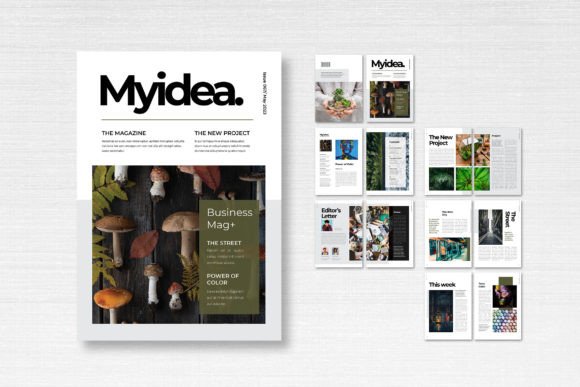
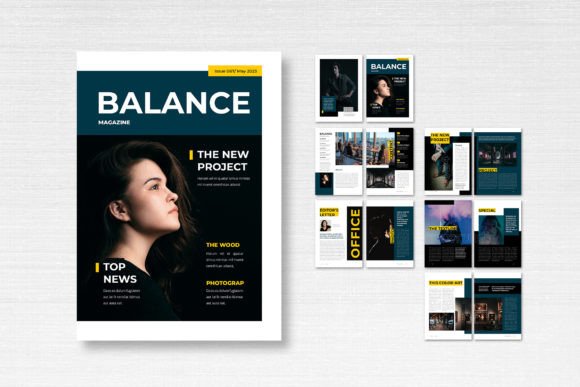
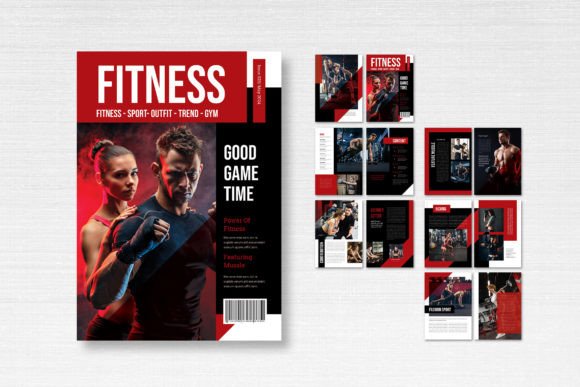
Think of the Magazine Template – Sport not as a rigid cage, but as a well-engineered chassis. It provides the fundamental structure—a clean, modern, and highly organized system of layers and styles—so you can focus on the content that makes your project unique. Built for Adobe InDesign, this template is a fully editable toolkit. The foundation is solid: a standard A4 size (21cm x 29.7cm), a professional CMYK color format ready for print, and a generous 300 DPI resolution with 3mm bleed, ensuring your final printed piece looks sharp and polished. The 14 custom pages, including front and back covers, offer a complete narrative arc for a publication, a brand lookbook, or a project portfolio.
The real value, however, lies in its adaptability. The clean layout and neutral, yet strong, typography serve as a perfect canvas. Imagine a local gym using it to create a member newsletter, swapping out the placeholder images for photos of their trainers and community. Picture a sports equipment startup using the same template structure to design a sleek product catalog, where the grid layouts beautifully showcase their latest gear. A content creator could repurpose the pages into a stunning media kit, presenting their analytics and past collaborations with the professionalism of a major publisher. The template’s design doesn’t impose a story; it helps you tell yours more effectively.
Practical Applications: From Brand Identity to Marketing Collateral
The true test of any design asset is its versatility across different mediums. A single, cohesive template like this can become the backbone of an entire visual identity system, ensuring consistency whether your audience encounters you online or in print.
- Editorial & Publishing: This is its native habitat. Use it for short-run magazines, annual reports for a sports club, journal editions, or even as the interior layout for a niche cookbook or photography book. The organized layers make it easy to update content issue after issue.
- Digital Products & Marketing: The clean design translates beautifully to digital formats. Export individual pages as PDFs for lead magnets, create social media graphics by cropping compelling sections, or use the layout principles to design engaging blog post graphics and website banners. The structure ensures your digital marketing assets have the same professional weight as your print materials.
- Brand Collateral: For a brand rooted in fitness, athletics, or dynamic activity, this template can be the source for a whole suite of materials. Design professional invoices, presentation decks, event programs, or even merchandise mockups using its consistent style. It helps build a recognizable brand identity that communicates energy and reliability.
Maximizing Your Design: Tips for Effective Customization
Having a powerful template is one thing; wielding it effectively is another. Here’s how to ensure your final product feels authentically yours while leveraging the professional foundation provided.
Typography as Your Voice: The template uses free fonts from DaFont or Google Fonts, which is a massive plus for accessibility and future edits. Don’t just replace the placeholder text—consider the personality you want to convey. A bold, condensed sans-serif font screams urgency and power, perfect for headlines about a championship game. A clean, modern serif might lend an air of prestige and tradition, suitable for a luxury sports brand or a historical retrospective. Play with font pairings: combine a strong display font for headings with a highly readable sans-serif for body text to create clear visual hierarchy.
Visual Consistency is Key: Use the grid system and layer organization as your guide. Maintain consistent margins, spacing, and alignment across all your pages. This isn’t about being rigid; it’s about creating a rhythm that makes your content easy to consume. When you swap images, ensure they are of similar quality and style. If you’re using a vibrant, high-contrast photo on one spread, carry that visual language through to the next. This consistency is what transforms a collection of pages into a cohesive publication and strengthens your brand recognition.
Readability Over Everything: The most dynamic design fails if people can’t read it. Pay close attention to text size, especially for body copy. Ensure there is sufficient contrast between your text and its background. The template’s clean aesthetic is designed for readability, so protect that. When adding new text boxes, respect the existing line spacing and paragraph styles to maintain a comfortable reading experience.
Ultimately, a resource like the Magazine Template – Sport is about efficiency and elevation. It eliminates the hours spent on foundational layout work, allowing you to pour your energy into the creative elements that tell your story. Whether you’re a designer looking for a reliable starting point, a small business owner creating professional materials on a budget, or a hobbyist bringing a passion project to life, this template provides the professional framework to make your vision a tangible, high-quality reality. It’s not about using a pre-made design; it’s about using a proven system to build something uniquely yours.